
Understand how water moves through each growing area
See changing conditions at root depth
Different soils and growing media hold, drain and release water differently. Follow moisture and temperature at root depth to compare growing areas, understand rainfall response and decide where closer attention is needed.
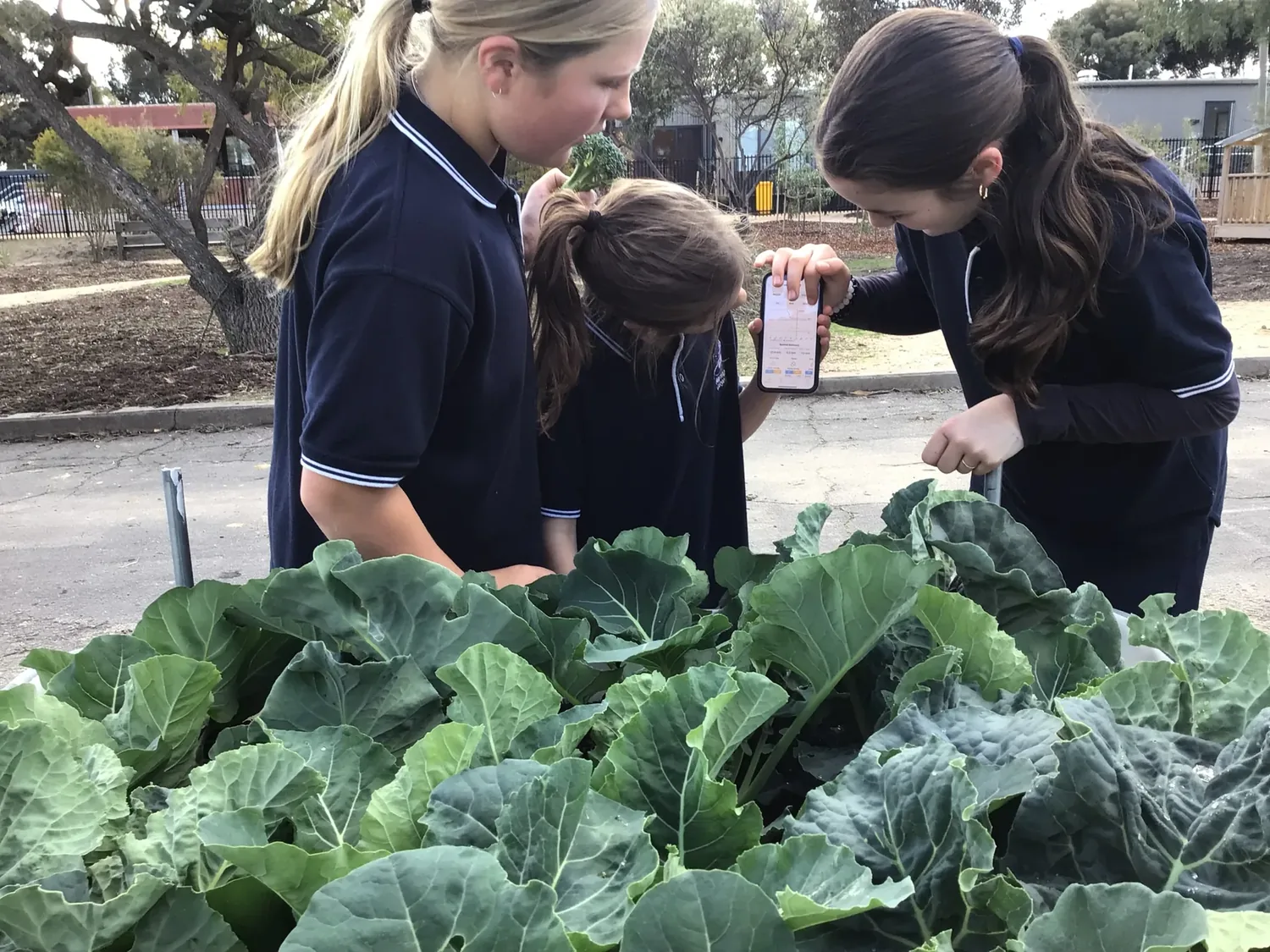
Why growing areas behave differently
Occasional readings can miss how water moves through soil
Sandy soil, clay and growing media
Different profiles hold, drain and release water at different rates, even under the same rainfall or irrigation.
Dry and oversaturated areas
One growing area may dry quickly while another remains oversaturated. Surface observations do not always show conditions at root depth.
Germination and establishment
Moisture and temperature at root depth provide useful context while seed, seedlings or new plantings establish.
Rainfall infiltration and drainage
Follow how rainfall moves into the profile, how long moisture remains and where drainage differs between selected locations.
Growth stages and seasons
Root conditions change with plant development, temperature and rainfall. A continuous record makes those transitions easier to compare.
Multiple fields, isolated readings
Occasional field readings make it difficult to compare several growing areas or see what changed between visits.
Evidence for the next field decision
Compare root-depth trends across growing areas
Find wet and dry areas earlier
Follow moisture trends at root depth and compare selected fields or growing media over the same period.
Plan around changing weather
Place rainfall observations, forecasts and temperature beside soil trends to understand field response.
Support irrigated operations
Where irrigation is used, compatible controllers can act on configured soil-moisture thresholds. Reporting records outcomes, saved runtime and saved litres when flow-rate data is configured.
Focus field checks
Set threshold alerts for selected soil conditions and direct closer checks to growing areas that need attention.
Evidence beyond a surface inspection
Three measurements to support crop decisions
Each Hydrosight sensor measures soil moisture, temperature and EC at root level. NB-IoT connectivity and an IP68 enclosure support ongoing monitoring in the field.
Moisture
Compare volumetric water content at the installed probe depth and review changes over time.
Temperature
Track conditions that influence crop development and root activity.
EC
Review electrical conductivity trends that may indicate changing soil conditions.